Source a line flared knee length girls dress for parties, daily wear, and leisure
Compare 24 listings for a line flared knee length girls dress featuring cotton materials and various styles. Buyers can evaluate customization options, sizes, and prices from suppliers in China to find suitable options for parties, daily wear, and leisure occasions.
Key considerations
Products List


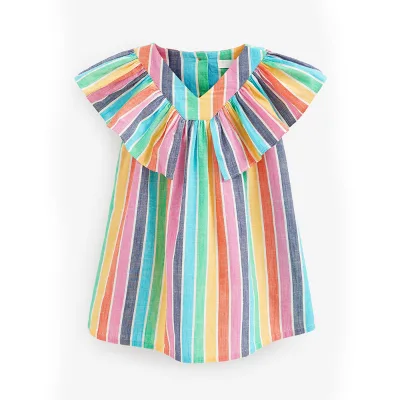
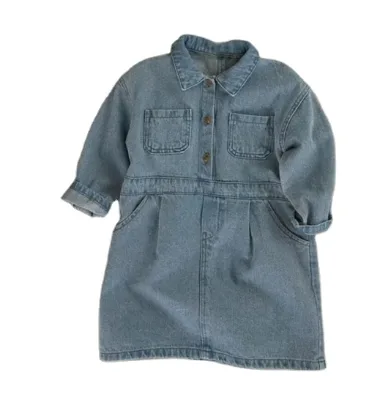
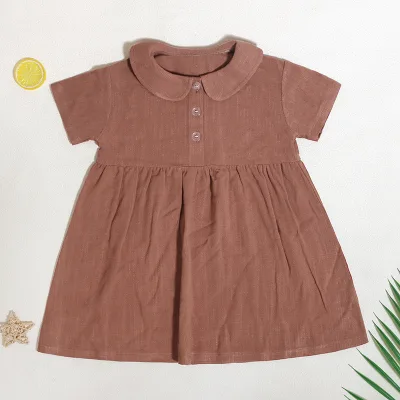
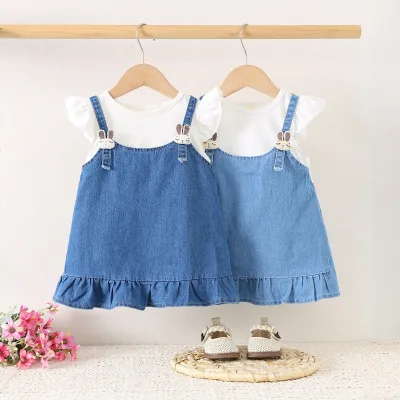
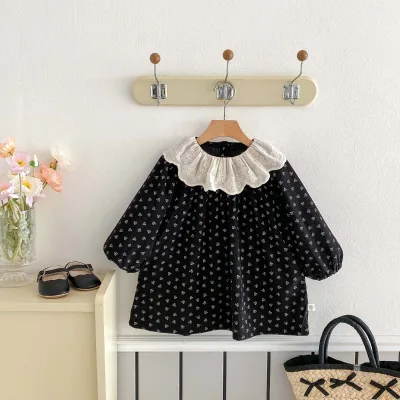
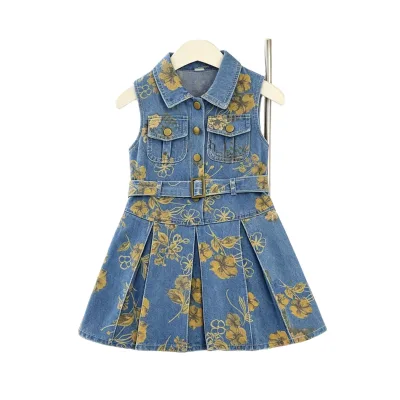
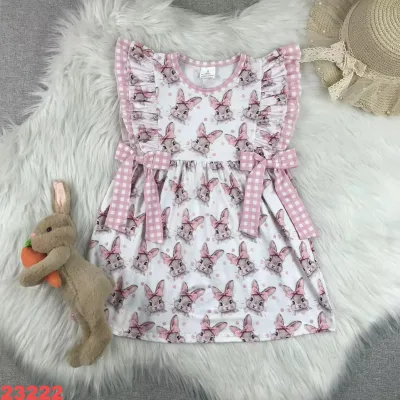
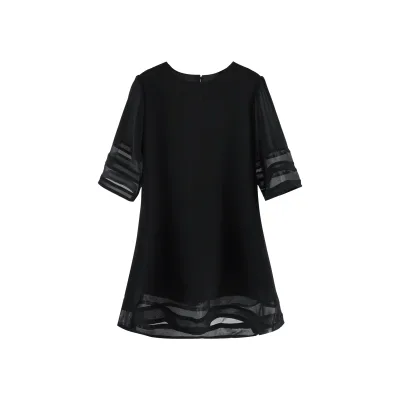
Comprehensive Sourcing Guide
A Line Flared Knee Length Girls Dress Sourcing Guide
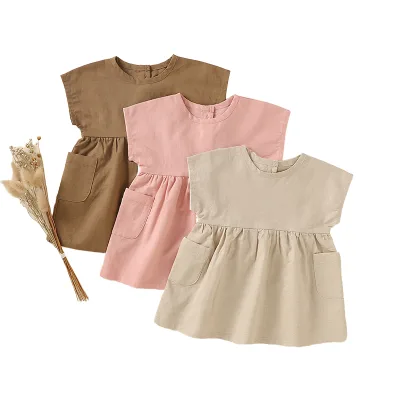
Sourcing a-line flared knee-length dresses for girls requires a careful balance of aesthetic appeal, functional comfort, and rigorous quality control. This specific silhouette is highly popular for its flattering fit and ease of movement, making it a staple for both casual wear and special occasions. Buyers must navigate a market flooded with variations in fabric composition, stitching techniques, and sizing standards to ensure the final product meets their brand’s expectations. The key to successful procurement lies in understanding the nuanced differences between suppliers and establishing clear technical specifications before placing any orders.
The procurement process involves verifying that the garment’s construction aligns with the intended use case, whether it is for daily leisure or formal parties. Observations from current market listings indicate a wide range of options, from simple cotton knits to more complex colorful designs. Buyers should focus on suppliers who demonstrate consistency in their production capabilities and offer transparent communication regarding material sourcing and manufacturing processes. Establishing a strong foundation of trust and technical clarity early in the relationship can prevent costly errors and ensure a smooth supply chain experience.
Product Scope and Observed Listing Signals
Current market observations reveal a diverse array of products that fit the general description of girls' dresses, with significant variations in style and material. Listings frequently highlight features such as short sleeves, sleeveless designs, and long sleeves, indicating that the a-line silhouette is adaptable to various seasonal needs. For instance, some products are explicitly marketed for summer with ventilation features, while others are designed for spring and autumn with long sleeves and high-waisted cuts. This diversity suggests that buyers must clearly define their seasonal requirements and target age groups to filter out irrelevant suppliers and focus on those who specialize in their specific niche.
Color and customization options are also prominent signals in the current market, with many suppliers offering white, colorful, or fully customizable colorways. The presence of customization services allows buyers to tailor the dresses to their brand’s unique identity, whether through fabric choice, stitching details, or branding elements. However, buyers should be cautious of vague descriptions and ensure that any customization claims are backed by concrete examples or samples. Understanding the scope of customization available, such as the ability to adjust the knitting gauge or fabric composition, is crucial for developing a product that stands out in a competitive market.
Technical Specifications to Verify
Verifying technical specifications is critical to ensuring the dress meets quality and fit expectations. Buyers should confirm the fabric composition, with 100% cotton being a common and desirable material for comfort and breathability. It is essential to verify the knitting gauge, such as 7gg, as this directly impacts the texture, durability, and drape of the garment. Additionally, the construction of the front fly, often featuring a button closure, should be inspected for sturdiness and ease of use, especially for younger children. These details collectively determine the overall quality and wearability of the dress, making them non-negotiable points of verification.
Sizing and stature ranges are another vital aspect of technical verification, as inconsistencies can lead to high return rates. Buyers should cross-reference the supplier’s size charts with standard industry measurements, paying close attention to height ranges such as 119-129cm for smaller sizes and 141-151cm for larger ones. The waist type, whether high-waisted or standard, and the sleeve length, from short to long, must align with the design intent. Confirming these specifications through detailed product data sheets and physical samples ensures that the final product fits the target demographic correctly and maintains consistency across production batches.
Compliance and Safety Documentation
Compliance with safety standards is paramount when sourcing children’s clothing, as regulatory bodies enforce strict guidelines to protect young consumers. Buyers must ensure that suppliers provide documentation confirming adherence to relevant safety standards, such as flammability resistance and chemical safety regulations. While specific standard numbers may vary by region, the presence of a robust quality management system is a strong indicator of a supplier’s commitment to safety. Buyers should request test reports from accredited laboratories to verify that the materials and finished products meet all legal requirements for the target market.
In addition to safety, buyers should verify the supplier’s compliance with labor and environmental standards, which are increasingly important to consumers and retailers. Documentation such as social responsibility audits and environmental management certifications can provide assurance that the product is ethically manufactured. Buyers should also check for any specific labeling requirements, such as care instructions and fiber content labels, which must be accurate and clearly displayed on the garment. Ensuring full compliance not only mitigates legal risks but also enhances the brand’s reputation for responsibility and quality.
Cost Drivers and Commercial Terms
Understanding the cost drivers is essential for effective budgeting and negotiation. The primary cost drivers include the material composition, with 100% cotton typically commanding a higher price than synthetic blends, and the complexity of the design, such as the knitting gauge and sleeve style. Labor costs, which vary by region, also play a significant role, with suppliers in different locations offering different price points. Buyers should analyze the cost structure to identify areas where they can negotiate without compromising quality, such as optimizing packaging or consolidating orders to reduce shipping costs.
Commercial terms, including minimum order quantities (MOQ) and lead times, significantly impact the procurement strategy. Observed MOQs range from 1 to 1000 units, allowing for flexibility depending on the buyer’s inventory needs. Lead times can vary, with some suppliers offering quick turnaround for in-stock items and longer periods for customized orders. Buyers should negotiate clear terms regarding payment schedules, shipping responsibilities, and return policies to protect their interests. Establishing a transparent commercial agreement helps prevent misunderstandings and ensures a smooth transaction process.
Supplier Qualification and Quality Control
Supplier qualification is the first step in mitigating risk and ensuring a reliable supply chain. Buyers should conduct thorough due diligence, including verifying the supplier’s business license, production capacity, and past performance. Checking for certifications and audits can provide additional assurance of the supplier’s reliability and commitment to quality. Buyers should also assess the supplier’s communication skills and responsiveness, as these factors are crucial for resolving issues quickly and maintaining a productive partnership. A qualified supplier will have a clear quality control process in place to monitor production at every stage.
Quality control measures should be implemented throughout the production process to ensure consistency and adherence to specifications. Buyers should request pre-production samples for approval and conduct in-line inspections during manufacturing to catch any defects early. Final random inspections should be performed before shipment to verify that the products meet all quality standards and packaging requirements. Establishing a clear quality agreement with the supplier, including criteria for acceptance and rejection, helps ensure that the final product meets the buyer’s expectations and reduces the risk of receiving substandard goods.
Long-Term Procurement Checks
Long-term procurement success depends on continuous monitoring and relationship management. Buyers should regularly review supplier performance metrics, such as on-time delivery rates, defect rates, and responsiveness to issues. Establishing a feedback loop with the supplier allows for continuous improvement and addresses any emerging challenges proactively. Buyers should also stay informed about market trends and regulatory changes that may impact their sourcing strategy, ensuring that their products remain competitive and compliant. Building a strong, collaborative relationship with the supplier can lead to better pricing, priority production, and innovative solutions.
Additionally, buyers should diversify their supplier base to mitigate risks associated with single-source dependencies. Maintaining relationships with multiple suppliers provides flexibility and ensures continuity in case of disruptions. Regularly auditing suppliers and conducting performance reviews helps maintain high standards and encourages suppliers to remain competitive. By focusing on long-term partnership and continuous improvement, buyers can build a resilient supply chain that supports their business growth and meets the evolving needs of their customers.
FAQs
What materials are used for the girls dress?
The dress is made from 100% cotton material to ensure comfort and breathability for young girls. This natural fabric is ideal for summer wear and provides a soft touch against the skin. The knitted technique adds flexibility, making it suitable for active play during parties or leisure activities.
Which sizes are available for this dress?
Available sizes correspond to stature ranges of 119-129cm and 141-151cm for growing children. Specific model SQBD16 offers a standard size S option. Buyers can also find products matching standard codes like 60-90, 100-140, and 150-180 depending on the specific batch requirements.
Can I customize the color of the dress?
Yes, customization is available for the color, including options like white or colourful designs. The product features a round neck and sleeveless or short sleeve styles. Buyers can request specific colour variations to match their brand needs while maintaining the high-quality knitted construction.
What is the minimum order quantity for this item?
The minimum order quantity ranges from 1 to 1000 sets depending on the specific supplier agreement. Some listings support small sample orders with a seven-day lead time. Bulk buyers can access supply abilities of up to 5000 sets per week for larger volume requirements.
How is the dress packaged for shipping?
Items are packed individually in OPP bags and then placed inside cartons for protection. Each set comes in an OPP bag, with one lot per bag for easy handling. This packaging ensures the dress remains clean and undamaged during transit from the factory in China.
Where are these dresses manufactured?
The dresses are manufactured in China, with specific origins noted in Sichuan and Shanghai regions. These locations support the production of high-quality knitted garments for the global market. The supply chain is established to handle both in-stock items and custom orders efficiently.
What occasions are suitable for wearing this dress?
This dress is designed for various occasions including parties, daily wear, and leisure activities. The casual style and comfortable fabric make it perfect for spring, autumn, or summer seasons. Its versatile design allows young girls to wear it for both formal events and everyday play.